

Understanding the full financial picture of owning a business aircraft goes far beyond the initial purchase price. For those in the market for a used corporate plane or considering an upgrade, a clear breakdown of direct operating costs (DOC’s) is essential. These costs are categorized into two main groups: variable expenses, which fluctuate with how much you fly, and fixed expenses, which remain constant regardless of flight hours. A comprehensive analysis of both is crucial for accurate budgeting and strategic decision-making in business aircraft acquisitions.

VARIABLE COSTS: WHAT YOU PAY PER FLIGHT
These expenses are directly tied to the operation of the aircraft and increase with each hour flown.
Fuel
Fuel is typically the largest variable expense. The cost is influenced by the aircraft’s size and efficiency, current market prices, and where the fuel is purchased.
- Average Consumption: A light jet might consume around 160 gallons per hour, while a heavy jet could burn over 350 gallons per hour.
- Price Volatility: With fuel prices constantly fluctuating, a well-planned budget must account for potential increases.
Maintenance
Even a well-maintained aircraft requires ongoing care. This category includes routine inspections, unscheduled repairs, and reserves for major overhauls.
- Hourly Reserves: Many owners budget for hourly maintenance reserves to cover the cost of major overhauls on engines, scheduled and unscheduled airframe inspections, and avionics maintenance and upgrades. This helps avoid sudden, large expenses.
- Age and Usage: Older or heavily used business aircraft will generally require more frequent and costly maintenance.
Crew Expenses
For each flight, there are direct costs associated with the crew.
- Hourly Pay or Per Diems: While crew salaries are a fixed cost, they may also receive additional hourly pay or per diems for each flight.
- Travel and Expenses: This includes costs for accommodations, meals, and ground transportation for the crew during trips.
Miscellaneous Fees
Each flight can incur a variety of other charges.
- Landing and Handling Fees: Airports charge based on aircraft size, and some high-demand locations have premium fees.
- Navigation and Airspace Fees: Flying through controlled airspace may incurs charges from air traffic control authorities.

FIXED COSTS: THE UNAVOIDABLE ANNUAL EXPENSES
These costs are incurred simply by owning the aircraft, regardless of how often it is flown. They are critical for understanding the total cost of ownership.
Crew Salaries and Training
A professionally managed operation requires a highly trained crew.
- Competitive Salaries: Retaining qualified pilots often requires competitive salaries and benefits. A typical operation may require at least two full-time pilots.
- Recurrent Training: Crews must undergo regular, simulator-based training, which can cost tens of thousands of dollars per pilot annually.
Insurance
Protecting a multimillion-dollar asset is a must, and premiums can be substantial.
- Value and Usage: Premiums depend on the aircraft’s value, how it is used, and the experience of the pilots.
- Coverage Levels: Policies typically include hull coverage (physical damage) and liability coverage.
Hangar and Storage Fees
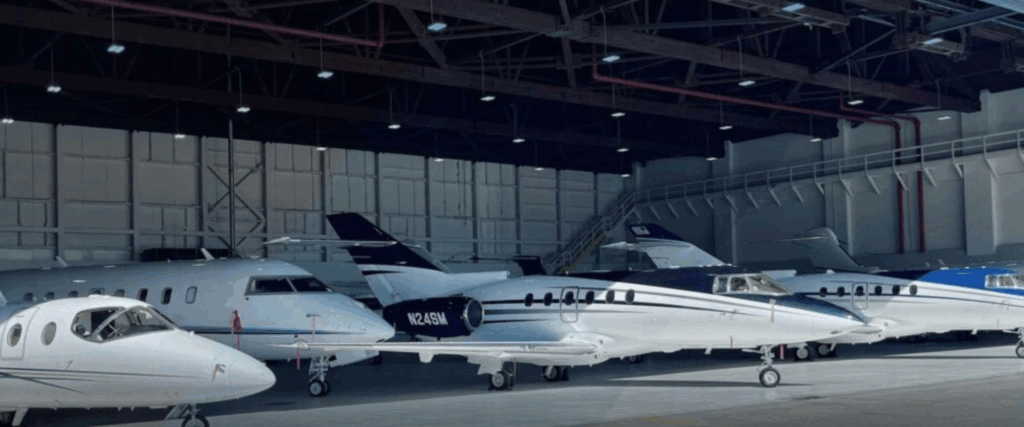
Storing your aircraft safely protects your asset from the elements.
- Location and Size: Hangar costs vary widely based on location and the aircraft’s size. Expect to pay anywhere from tens to hundreds of thousands of dollars per year.
- Demand: Airports in major metropolitan areas often have higher prices and longer waitlists for hangar space.
Management and Administration
Many owners hire a professional management company to handle the complex logistics of aircraft operation.
- Professional Expertise: Management fees cover services like scheduling, maintenance oversight, record keeping, and ensuring regulatory compliance.
- Reduced Burden: These services can simplify ownership, but they add a significant fixed cost to the annual budget.
A COMPLETE PICTURE FOR BUSINESS AIRCRAFT SALES
When evaluating business aircraft sales, buyers should request a detailed breakdown of both variable and fixed operating costs for the specific make and model they are considering. This approach provides a more realistic financial forecast and prevents surprises down the line, ensuring a more strategic and successful investment.
At Holstein Aviation, we provide expert guidance in business aircraft sales and acquisitions. Fully understanding operating costs is imperative to making a good decision, and results in solutions that work. Contact us today to learn how our highly experienced and trusted team of IADA certified brokers can assist you to navigate your next aircraft sale or acquisition.