

For those engaged in business aircraft sales, the conversation has traditionally focused on performance, cabin luxury, and maintenance pedigree. Today, however, an equally critical factor has emerged: cybersecurity. As a corporate plane becomes more connected and digital, it presents a larger and more attractive target for cyber threats.
From sensitive corporate data to critical flight systems, a robust cybersecurity strategy is no longer optional—it’s a non-negotiable aspect of modern business aircraft acquisition.

THE EXPANDING ATTACK SURFACE OF A BUSINESS JET
Modern aircraft function as highly interconnected, flying data centers. A multitude of systems, once isolated, are now digitally integrated:
- Onboard Networks: In-flight Wi-Fi systems, cabin entertainment, and cockpit data links are all potential entry points for hackers.
- Flight Planning and Management Systems: Communications with ground operations, flight planning software, and maintenance systems can be compromised, leading to operational disruptions or the theft of sensitive data.
- Maintenance Logs: Digital maintenance records and logbooks, which are crucial for the resale value of a used business jet, can be corrupted or held for ransom.
- Supply Chain Vulnerabilities: The aviation industry relies on a complex global supply chain. A weakness in a single vendor’s system could create a backdoor for a cyberattack on multiple aircraft.
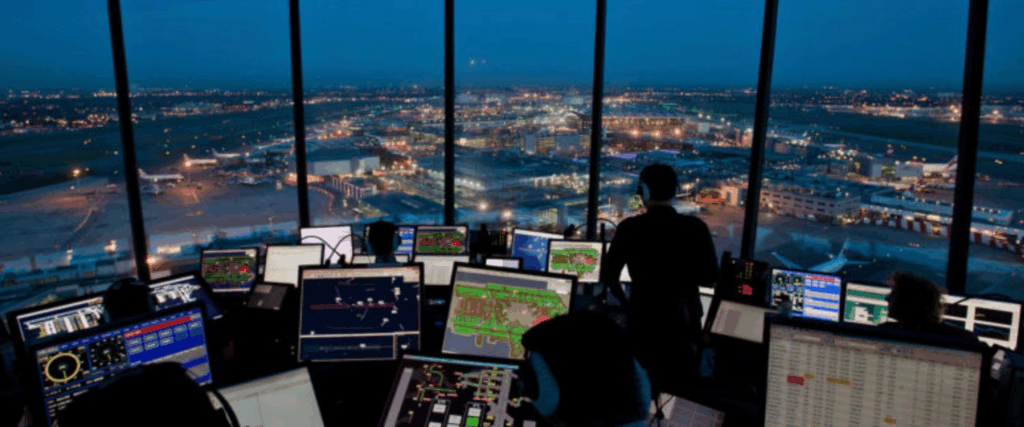
TOP CYBER THREATS IN BUSINESS AVIATION
Cyber threats against aviation are no longer theoretical. Recent reports indicate a steep rise in attacks.
RANSOMWARE
Hackers can gain access to an aircraft’s network and encrypt critical data, holding it hostage until a ransom is paid. This could include sensitive flight data, client manifests, or financial information.
PHISHING AND SOCIAL ENGINEERING
Human error is a leading cause of security breaches. Phishing attempts, where hackers trick employees into revealing credentials, are a common entry vector. With AI, bad actors can even create convincing voice replicas to deceive flight crew members.
SPOOFING AND JAMMING
While less common in business aviation, threats exist for jamming GPS or communications signals. Such attacks could cause navigation failures or other flight system malfunctions, highlighting the importance of resilient systems.

BUILDING A STRONG CYBER DEFENSE: BEST PRACTICES
For current owners and those considering business aircraft sales, implementing a multi-layered cybersecurity strategy is the best defense.
- Assess Your Risk
Understand the specific threats to your aircraft and operations. Factors like your typical flight routes, connected systems, and onboard devices all influence your risk profile. The NBAA offers resources for assessing cybersecurity risk.
2. Implement a Zero-Trust Model
A zero-trust model operates on the principle of “never trust, always verify” It assumes threats can come from within or outside the network and requires strict verification for every user and device attempting access. This includes segmenting the aircraft’s network to isolate critical systems.
3. Encrypt Sensitive Data
All sensitive data, whether stored on the aircraft or transmitted via satellite link, should be encrypted. While many connectivity providers offer encryption, consider supplementing with a VPN for data leaving the aircraft network.
4. Secure Physical Access
A simple but often overlooked step is controlling physical access to the aircraft. Anyone with unsupervised access to the cockpit or avionics could install malicious hardware or software.
5. Prioritize Training and Awareness
Even the most advanced security technology is only as strong as its human users. Regular training for pilots, crew, and management on identifying phishing attempts and social engineering is crucial for mitigating risks.

The Bottom Line for Business Aircraft Acquisitions
In a market where every detail counts, a strong cybersecurity posture is a powerful selling point. When you are engaged in business aircraft sales, having a documented and robust cybersecurity plan demonstrates a commitment to security that protects your asset, your data, and your passengers. Ignoring this risk is no longer an option.
At Holstein Aviation we recognize that the details matter. Our team of IADA certified professionals bring decades of transaction experience, real-time market intelligence and global reach. We guide our clients through every step of the process, ensuring confidence and clarity in today’s dynamic environment. The Holstein Aviation team understands the importance of cyber security and is here to help facilitate protection of your asset, your data and your passengers. If you’re preparing to sell your aircraft or buy an aircraft, Holstein Aviation is your trusted partner in business aviation.