

In the world of aviation, an aircraft’s pedigree is its most valuable asset. While every pilot strives for a spotless record, the reality is that mishaps—ranging from minor hangar rash to significant structural events—can and do happen. When it comes time to sell or pull a bank appraisal, understanding exactly how damage history influences aircraft valuation is essential for both buyers and sellers.
Damage doesn’t just affect the physical metal; it affects the marketability and the perceived risk of the asset. Here is what you need to know about the “stigma” of damage and how to calculate its real-world cost.

NOT ALL DAMAGE IS CREATED EQUAL
The first rule of aircraft valuation regarding damage is that the “how” and “where” matter immensely. Valuation experts typically categorize damage into three tiers:
- Cosmetic/Minor: This includes items like a small dent in a non-structural fairing or a replaced bird-strike windshield. If documented correctly and repaired by a reputable facility, the impact on value is often negligible.
- Major Repair/Alteration: This involves structural components—ribs, spars, or skin panels. These require an FAA Form 337 (Major Repair and Alteration). Even if the plane is “better than new,” the presence of a 337 form automatically triggers a valuation adjustment.
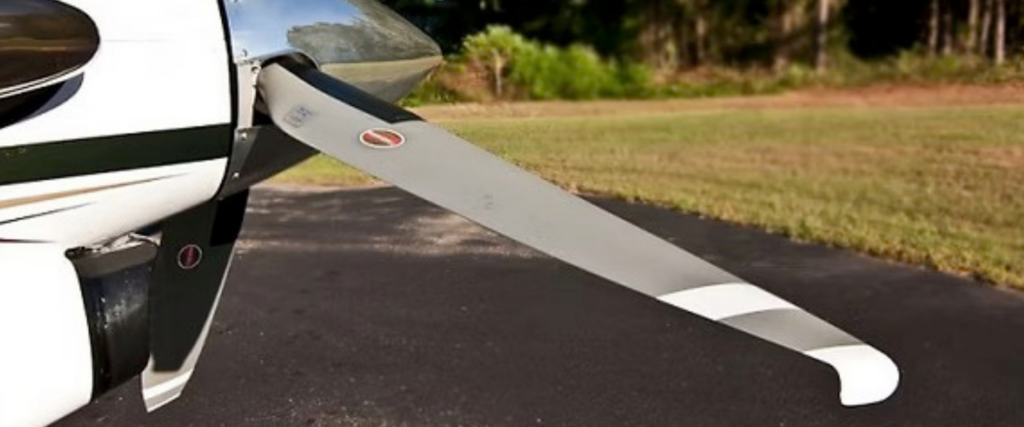
- Major Incident History: Prop strikes, gear-up landings, or lightning strikes fall into this category. These events often lead to significant “diminution of value,” even after the aircraft is fully restored to airworthy status.
THE “STIGMA” FACTOR AND MARKETABILITY
One of the hardest parts of aircraft valuation is accounting for “stigma.” Even if a repair is perfect, a segment of the buyer market will simply refuse to look at an aircraft with a major damage history.
This shrinking of the “buyer pool” often forces sellers to lower their price to entice those willing to take the perceived risk. In a “soft” market, a damaged-history aircraft might sit for months longer than a “clean” counterpart. In a “hot” market, the price gap might narrow, but it never truly disappears.
QUANTIFYING THE HIT: THE PERCENTAGE RULE
While every airframe is unique, industry standards provide a baseline for how damage affects the bottom line:
- The 10-30% Rule: A significant event, like a gear-up landing that has been professionally repaired, typically results in a 10% to 30% reduction in the aircraft’s fair market value compared to an identical “clean” aircraft.
- The Engine Factor: If a prop strike occurred, the value hit is often mitigated if the engine was overhauled or replaced with a factory-new unit during the repair. However, the airframe itself still carries the “incident” tag.
DOCUMENTATION IS THE BEST DEFENSE
If you are selling an aircraft with a history, your best tool for preserving aircraft valuation is transparency.
- Provide the Logbooks: Ensure every detail of the repair is documented.
- Show the Photos: High-resolution photos of the damage before the repair and the step-by-step restoration process can demystify the event for a cautious buyer.
- Use Authorized Facilities: Repairs performed by the Original Equipment Manufacturer (OEM) or a highly-rated Part 145 Repair Station carry much more weight than “local” fixes.
TRUST THE EXPERTS AT HOLSTEIN AVIATION
Determining the true market impact of a past incident requires more than just a spreadsheet; it requires deep market intelligence, technical expertise, and access to market reports. At Holstein Aviation, our IADA-certified professionals specialize in providing accurate, data-driven aircraft valuation services and offering asset management advisory services.
Whether you are looking to make informed aviation decisions, seeking advice, or managing aviation assets and need expert asset management, our team provides the clarity you need. We navigate the complexities of damage history so you can move forward with confidence.
Contact Holstein Aviation today for a professional valuation and let our decades of experience work for you.