

The private aviation market is often viewed as a world apart, a luxury sphere inhabited by the ultra-wealthy and the world’s most powerful corporations. However, the reality is that the business aviation sector, including the realm of business jet sales and the intricate work of aircraft brokers, is a highly sensitive economic indicator. Its performance is deeply intertwined with the health of the global economy.
For potential buyers, current owners, industry professionals, including those considering engaging with a reputable aircraft brokerage firm or seeking the services of a consultant, understanding this relationship is crucial. The flow of global capital, the stance of central banks, and the level of corporate confidence all directly influence whether private jet sales are soaring or stalling.
Here is an analysis of how four key global economic conditions affect the private jet market.
1. THE PULSE OF GLOBAL WEALTH: GDP AND CORPORATE PROFITS
At its core, the demand for business jets, the meticulous advisory provided by aircraft brokers, and the strategic planning from aircraft brokerage firms is driven by two things: the need for time-saving efficiency among corporations and the accumulation of personal wealth by high-net-worth individuals (HNWIs).
When the global real GDP is expanding, economies thrive. This growth generally leads to increased corporate profits, expanding business operations, and a surge in luxury spending among an increasing affluent population. Historically, strong economic environments boost new aircraft sales as corporations expand their fleets and upgrade to newer models, a process often navigated with the aid of aircraft brokers to ensure excellent service and a highly optioned selection.
Conversely, a deceleration in global real GDP growth or an outright recession leads to reduced corporate spending and diminished consumer confidence. During these periods, businesses reevaluate travel budgets, defer new orders, or look to optimized aircraft brokerage services to sell off non-essential assets to preserve liquidity, often through aircraft broker services or aircraft sales specialists who understand the dynamics of the market.

2. THE COST OF CAPITAL: INTEREST RATES AND FINANCING
Aircraft are high-capital-intensity, long-life assets. The majority of these significant acquisitions—whether new or used—are financed through loans or leasing agreements. This makes the private jet market exceptionally sensitive to the interest rate environment shaped by global monetary policy, where aircraft brokerage firms and aircraft brokers navigate the complexities of financing for their clients.
When central banks raise benchmark interest rates to combat inflation, the cost of borrowing increases. Higher rates make financing more expensive, raising the minimal required debt service payments for businesses and individuals. This can cause some operators to delay fleet upgrades or pivot toward lower-cost used aircraft, charter services, or fractional ownership, a decision often made easier with the guidance of an area broker or the customer service teams of established aircraft brokerage firms.
Conversely, anticipated rate cuts or a low-rate environment significantly lower financing costs. This makes substantial investments like aircraft purchases more financially feasible. Favorable financing conditions often stimulate increased market activity, leading to faster inventory turnover, a scenario in which aircraft brokers often provide straight talk and top-notch advice to ensure satisfied clients.

3. THE PRICE OF FLIGHT: INFLATION AND FUEL COSTS
Beyond the initial acquisition, the operational costs of owning and flying a private jet have a profound impact on the market. Inflation is a fundamental factor that erodes purchasing power across the board. In business aviation, it manifests as increased costs for raw materials, manufacturing labor, parts, and maintenance expenses.
Perhaps the single largest variable cost in private jet operations is fuel. While fuel prices fluctuate based on complex geopolitical factors, long-term inflationary pressure generally pushes refinery costs up.
During inflationary periods, mid-market users—who may be more price-sensitive—might scale back their flying or shift from full aircraft ownership to jet cards or on-demand charters. On the flip side, high inflation can sometimes support demand for newer, more fuel-efficient aircraft models as owners seek to cut operational expenses in the long run. In such markets, a premium is often placed on “pedigree” aircraft with current engine programs and modern avionics, a niche expertly serviced by aircraft brokers with a reputation for excellent service.
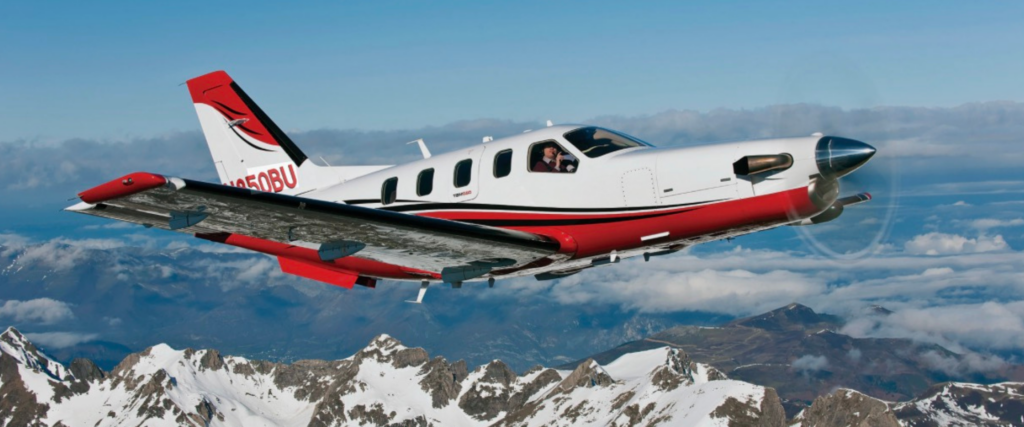
4. SUPPLY CHAIN HARMONY OR DISCORD
Global economic stability also dictates the efficiency of the aviation supply chain. In recent years, supply chain disruptions, shortage of skilled technicians, and raw material backlogs (such as aluminum and titanium) have significantly impacted both the new and used aircraft markets.
A fractured supply chain leads to extensive backlogs for new aircraft manufacturing. When new deliveries are slow, buyers are pushed toward the pre-owned market. This increased demand for high-quality used aircraft drives up resale valuations and creates a seller-favored environment. As supply chain issues ease, manufacturing backlogs decrease, which can stabilize used aircraft prices, a dynamic closely monitored by aircraft brokers to provide great experience and solid referral agent opportunities for their aircraft brokerage.
NAVIGATION: NEW VS. USED MARKET DYNAMICS
A critical, final consideration is how different economic conditions favor new versus used inventory. An expert aircraft brokerage knows that the “best choice” shifts depending on the economic climate.
- In Boom Times: High confidence, strong corporate profits, and easy financing availability often drive buyers toward new aircraft for the latest technology, warranties, and status.
- In Shifting Times: High interest rates, increased uncertainty, or inflation often favor the pre-owned market. Buyers can acquire significant assets at a lower purchase price, preserving capital while still gaining the essential business tool. This is especially true when 100% bonus depreciation tax incentives are available, a strategy often recommended by seasoned aircraft brokers.
CAPITALIZING ON THE MOMENTUM: CHOOSING YOUR PARTNER
Navigating the private jet market during fluctuating global economic conditions requires more than just market awareness; it requires transactional intelligence. Whether you are selling an aging asset to optimize cash flow or sourcing a new business tool during a low-interest-rate window, you need specialized guidance.
At Holstein Aviation, our IADA-certified professionals bring decades of experience in aircraft brokerage through every type of economic cycle. We provide real-time market intelligence, global reach, and transactional clarity. Whether you need world-class aircraft brokerage to list your asset or a dedicated team to manage your aircraft acquisition services, Holstein Aviation is your trusted partner in business aviation, committed to offering excellent service and achieving every satisfied client’s goal.