

Operating a business aircraft from a coastal environment offers undeniable convenience, but it also exposes your multi-million-dollar asset to a relentless adversary: corrosion. The salt-laden air, high humidity, and sea spray common in these regions are highly corrosive, capable of damaging an aircraft’s structure, avionics, and flight controls if left unchecked. For aircraft owners, operators, and those involved in business aircraft sales, a proactive and rigorous corrosion mitigation strategy is not optional—it’s essential. Here are the best strategies for protecting your aircraft and maintaining its long-term value.

1. STORE THE AIRCRAFT IN A CONTROLLED ENVIRONMENT
The single most effective way to combat coastal corrosion is to limit the aircraft’s exposure to the elements.
- Hangar your business aircraft: Whenever possible, store the aircraft in a hangar. A climate-controlled hangar is ideal, as it regulates humidity and temperature, minimizing the conditions that accelerate corrosion.
- Invest in humidity control: For hangars in particularly humid areas, consider installing dehumidifiers to keep moisture levels stable and prevent condensation from forming on metal components.
- Consider private hangar ownership: The long-term cost of renting premium hangar space may pale in comparison to the expensive repairs caused by leaving an aircraft exposed to the elements.
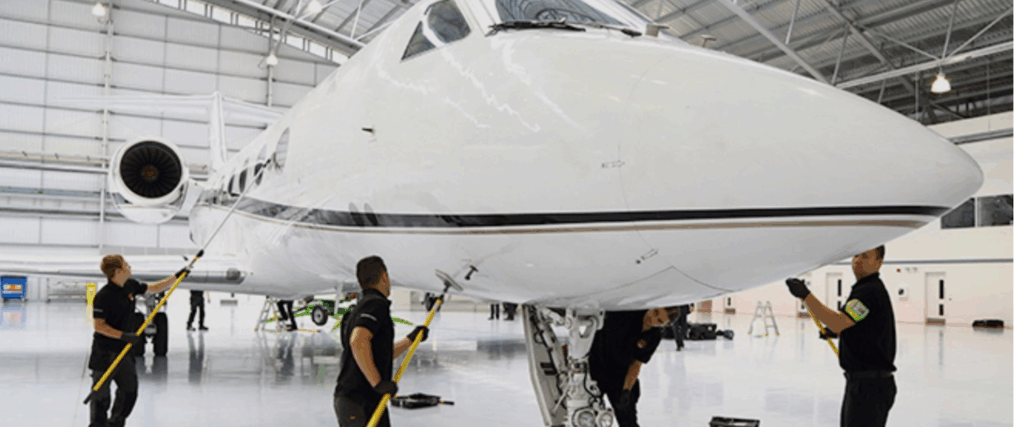
2. IMPLEMENT A STRINGENT CLEANING AND WASHING REGIMEN
Routine cleaning is your first line of defense, removing corrosive contaminants before they can cause damage.
- Wash frequently: In coastal environments it’s recommended that you wash the aircraft much more frequently than in dry, pollution-free areas.
- Use approved products: Use only aviation-approved cleaning agents and demineralized water for washes. Household cleaners can strip protective coatings.
- Rinse thoroughly: Pay special attention to areas where salt and contaminants accumulate, such as landing gear, wheel wells, flaps, and hinges. A thorough rinse with fresh water is critical after a flight over saltwater or in high salt-air conditions.
- Engine washes: Salt ingestion can damage engine components. A regular turbine rinse with high-quality water helps flush out salt deposits and prevents sulfidation.

3. APPLY PROTECTIVE COATINGS AND CORROSION INHIBITORS
Preventive coatings and inhibitors add an extra layer of defense against corrosive agents.
- Protective coatings: Apply high-quality protective coatings, such as aviation-grade wax or ceramic coatings, to all exposed surfaces. This forms a barrier that repels moisture and environmental contaminants.
- Corrosion inhibitors: Use aviation specific products that are designed to create a protective barrier on metal surfaces. These are particularly effective for hard-to-reach areas like seams, lap joints, and within control surfaces, where moisture tends to accumulate.

4. CONDUCT REGULAR, TARGETED INSPECTIONS
Early detection is key to preventing minor issues from becoming major, costly repairs.
- Focus on high-risk areas: Prioritize inspections of areas most vulnerable to environmental exposure, including landing gear, flight controls, structural joints, and electrical components. Use tools like borescopes to inspect tight, hidden spaces.
- Inspect paint and seams: Paint acts as a crucial barrier. Regularly inspect for chipping, bubbling, or cracking, and seal any seams or joints where water could be trapped.
PRESERVING VALUE
For business aircraft owners, mitigating corrosion risk isn’t just about protecting an asset—it’s about preserving value. An aircraft with a verifiable history of meticulous corrosion prevention, especially one that has operated in coastal areas, will command a higher resale value and inspire greater buyer confidence. For a buyer, due diligence is critical. Working with a trusted and experienced IADA certified aircraft broker who understands the signs of corrosion and knows what to look for in maintenance records is a wise investment. By implementing these strategies, you can ensure your aircraft remains in peak condition, regardless of where your mission takes you.
At Holstein Aviation, our IADA certified professionals bring decades of transaction experience, real-time market intelligence and global reach. We guide our clients through every step of the process, ensuring confidence and clarity in today’s dynamic environment. If you are buying an aircraft or selling your aircraft, Holstein Aviation is your trusted partner in business aviation.