

In the world of business aviation, price and value are rarely the same thing. For owners and buyers alike, determining the true market worth of a multi-million dollar asset requires moving beyond “asking prices” found on public listings. Navigating the evolving global marketplace requires a sophisticated approach to aircraft brokerage, where the cornerstone of every successful transaction is a precise, data-driven aircraft valuation.
To achieve an accurate figure, professionals look at “Comps”—comparable aircraft sales that have actually closed. Here is how to evaluate these benchmarks to ensure your financial strategy is grounded in reality.
Evaluating comparable sales is more than just finding the same make and model. It requires adjusting for a dozen variables that can swing a jet valuation by hundreds of thousands of dollars.

1. “SOLD” PRICE VS. “ASKING” PRICE
The most common mistake in a DIY aircraft valuation is relying on public listing prices. These represent a seller’s aspirations, not market reality. True aircraft valuation services utilize proprietary databases and IADA-verified “sold” data to see the actual strike price, the days on market, and any concessions made during the closing process.
2. FACTORING IN “TOTAL TIME” AND CYCLES
Two identical Citation Latitudes can have vastly different values based on their maintenance status.
- Airframe Hours: Higher-than-average fleet hours generally trigger a “deduct” in value.
- Cycles: For short-haul aircraft, the number of landings (cycles) is often more critical than flight hours, as it impacts heavy maintenance intervals and landing gear overhauls.
3. MAINTENANCE PROGRAM ENROLLMENT
A critical differentiator in aircraft brokerage is program status. When comparing two aircraft, one enrolled in a 100% “Power-by-the-Hour” engine program (like MSP or JSSI) will command a significantly higher price than an “off-program” equivalent. If your comp doesn’t account for these prepaid maintenance reserves, your valuation will be skewed.
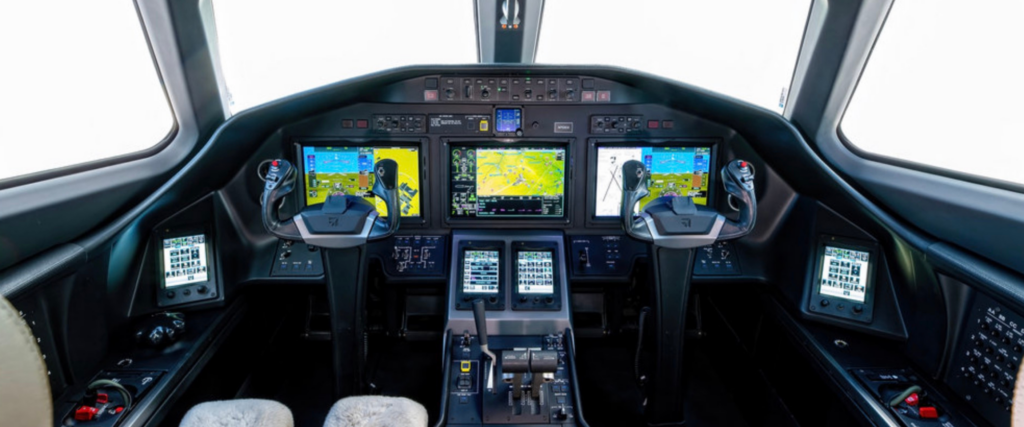
4. CONFIGURATION AND EQUIPMENT UPGRADES
Not all cabins are created equal. To get an accurate aircraft valuation, you must compare “apples to apples” regarding:
- Connectivity: Is high-speed Wi-Fi installed?
- Avionics: Does the cockpit meet the latest mandates like FANS 1/A+ or CPDLC?
- Interior Condition: Was the cabin refurbished in the last 24 months, or is it original from the factory?
WHY PROFESSIONAL “COMPS” MATTER
Relying on outdated or incomplete data leads to “market wear,” where an overpriced aircraft sits stagnant, or “left money,” where a seller exits too low. Professional aircraft valuation services provide the context needed to understand why a specific aircraft sold for a certain price, allowing you to position your asset strategically.

PARTNER WITH HOLSTEIN AVIATION
At Holstein Aviation, our IADA-certified team understands that a successful sale begins with an honest numbers-based conversation. We don’t just look at what’s for sale; we analyze the global jet marketplace conditions to see what is actually moving. Our aircraft brokerage experts provide the depth of data needed for a definitive aircraft valuation, ensuring your next move—whether buying or selling—is backed by real-world intelligence rather than guesswork.
DO YOU KNOW WHAT YOUR AIRCRAFT IS TRULY WORTH IN TODAY’S MARKET?
Contact Holstein Aviation today for a professional aircraft valuation. Let us provide the clarity and data you need to maximize your investment in the current marketplace.