

When purchasing a pre-owned business jet, a clean maintenance history and up-to-date logbooks are non-negotiable. But savvy buyers know that this is only part of the story. The aircraft’s base location history, or where it has been primarily operated and stored, can offer crucial insights into its long-term health, maintenance needs, and overall value. Ignoring this geographical footprint is a major oversight that can lead to costly surprises down the road.
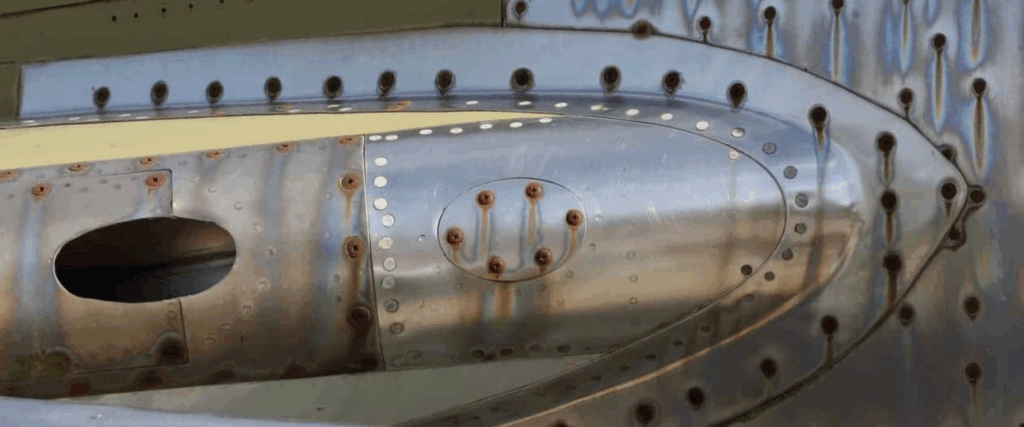
THE SILENT THREAT OF CORROSION
The most significant risk associated with an aircraft’s base location is corrosion. Corrosion is the relentless and progressive deterioration of metal surfaces, accelerated by exposure to certain environmental conditions.
- Coastal environments: Aircraft that have been based near saltwater environments, such as Florida or coastal California, are at a higher risk for corrosion due to salt-laden moisture in the air. This can affect critical components, fasteners, and the aircraft’s internal structure, potentially compromising its airworthiness over time.
- Humid climates: Persistent high humidity, even away from the coast, can also increase the risk of moisture-related corrosion, especially in areas where the aircraft is not consistently stored in a climate-controlled hangar.
THE WEAR AND TEAR OF EXTREME CLIMATES
While salt is a powerful corrosive agent, other extreme climates also take a toll on an aircraft.
- Desert environments: Operating in hot, sandy climates, such as the southwestern United States, introduces a different set of challenges. Sand and dust can cause abrasive wear on exposed surfaces, particularly the engines. The high temperatures can also place added stress on avionics and other heat-sensitive components.
- Harsh winters: Aircraft based in regions with severe winters and heavy de-icing protocols require different maintenance considerations. De-icing fluids, while necessary for safety, can be corrosive over time and require diligent post-winter maintenance to mitigate risks.

THE “HANGARED VS. RAMP” DEBATE
How an aircraft is stored also ties directly into its location history. A jet based in a relatively mild climate but consistently stored outdoors on the ramp will likely experience more sun damage, weather-related wear, and temperature fluctuations than a similar jet meticulously kept in a temperature-controlled hangar in a harsher climate.
WHY BUYERS MUST INVESTIGATE BASE HISTORY
For anyone involved in a business aircraft sales process, investigating the aircraft’s base location history is a vital part of due diligence.
- Review maintenance logs: Maintenance records and logbooks often contain clues about where the aircraft was based or where maintenance was performed.
- Consult with an expert: An experienced and trusted IADA certified aircraft broker can review the logbooks and ask targeted questions to build a comprehensive picture of the aircraft’s history.
- The pre-purchase inspection (PPI): A thorough PPI, performed by an objective and qualified maintenance facility, can confirm any corrosion or wear consistent with the reported base location.

LOCATION ISN’T EVERYTHING, BUT IT’S AN IMPORTANT FACTOR
An aircraft’s base location history is just one piece of the puzzle, and an aircraft based in a harsh climate with an excellent maintenance record may be a better purchase than one from a mild climate with spotty records. However, when comparing two otherwise similar aircraft, the base location history can be a tie-breaker. By understanding the climate-related risks and ensuring they are thoroughly addressed during the inspection process, a buyer can make a more informed decision and protect their investment.
At Holstein Aviation, our IADA certified professionals bring decades of transaction experience, real-time market intelligence and global reach. We guide our clients through every step of the process, ensuring confidence and clarity in today’s dynamic environment. If you are buying an aircraft or sell your aircraft, Holstein Aviation is your trusted partner in business aviation.