

In the world of business aircraft sales, the pre-purchase inspection is a foundational step. For decades, a “borescope without cause” — inspecting an engine’s internal components even when no issues are suspected — was standard operating procedure for many buyers. However, this practice is now a topic of debate, with industry experts re-evaluating its necessity, especially for aircraft on comprehensive engine maintenance programs. For anyone considering a business aircraft acquisition, understanding this shift is crucial for mitigating risk and avoiding unnecessary costs.
WHAT IS A BORESCOPE INSPECTION?
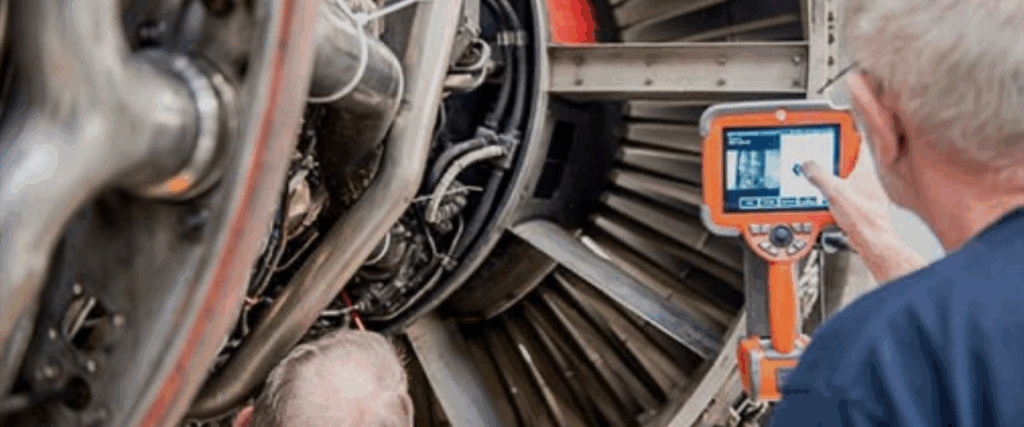
An engine borescope is a non-destructive testing (NDT) method that uses a flexible optical tool with a small camera to visually inspect the engine’s interior without disassembly. Mechanics look for signs of wear, foreign object damage (FOD), corrosion, or other irregularities that could indicate potential problems. A borescope “without cause” is simply one performed without any other data suggesting an internal problem, such as engine health monitoring alerts.

THE RISE OF THE BORESCOPE BACKLASH
Recent discussions among aviation experts suggest that the knee-jerk borescope inspection is becoming obsolete, particularly for engines enrolled in robust maintenance programs.
- Sophisticated Engine Monitoring: Modern engine health monitoring systems use real-time data to provide a much more comprehensive and reliable picture of an engine’s condition than a single visual borescope inspection.
- Maintenance Program Coverage: Most high-quality engine programs cover wear-and-tear findings, such as thermal degradation, that are often uncovered during borescopes. In these cases, spending money and time to find a “problem” the program already covers adds no value and increases the risk of finding an issue that could become a point of contention during the sale.
- Focusing on True Risk: The real risk lies in issues not covered by engine programs, such as FOD or certain corrosion, as well as exclusions within the contract. Buyers are now being advised to focus their due diligence on these areas of genuine financial exposure.
THE SELLER’S PERSPECTIVE: AVOIDING UNNECESSARY RISK
From the seller’s standpoint, a buyer’s insistence on a borescope without cause can be fraught with risk.
- Creating a Problem: A borescope is designed to find even the most minor anomalies, and any finding, no matter how insignificant, can be used by a buyer to negotiate a lower price. An engine can still be perfectly airworthy and conform to maintenance manual standards, but the subjective interpretation of borescope findings can delay or even derail a sale.
- Financial Exposure: If a borescope uncovers an issue not covered by an engine program, the seller could be on the hook for a costly repair, potentially delaying the sale for months and incurring significant costs.

BALANCING DUE DILIGENCE AND PRACTICALITY
So, how should sellers and buyers of a used business aircraft navigate this new paradigm?
- Understand Your Engine Program: For buyers, thoroughly understand the engine program’s coverage, including any exclusions for wear and tear, before insisting on a borescope. For sellers, be prepared to provide clear documentation of your engine program’s coverage to allay buyer concerns.
- Use Engine Health Data: Rely on the engine’s health monitoring data and robust maintenance logs as the primary source of information. This is often a more reliable indicator of overall engine health than a single borescope image.
- Use Borescopes Strategically: Reserve borescope inspections for specific, justified reasons. This might include a history of a FOD event, unexplained performance anomalies, or for engines with poor or nonexistent maintenance program coverage.
- Engage an Expert: Consult with a knowledgeable and trusted IADA certified aviation broker who can help you structure the pre-purchase inspection to be thorough without creating unnecessary risks.
In a modern business aircraft sales environment, the borescope is still a valuable tool, but its use must be strategic. By moving past the reflexive “borescope without cause,” both buyers and sellers can ensure a more efficient, transparent, and fair transaction, focusing on true engine health and avoiding manufactured problems.
At Holstein Aviation, our IADA certified professionals bring decades of transaction experience, real-time market intelligence and global reach. We guide our clients through every step of the process, ensuring confidence and clarity in today’s dynamic environment. If you’re preparing to buy an aircraft or sell your aircraft, Holstein Aviation is your trusted partner in business aviation.